






Why CAR T therapy for blood cancers?
Your immune system’s T cells are naturally designed to protect you from illness. But blood cancer cells are skilled at hiding from the immune system, allowing them to grow and multiply unchecked.
CAR T therapy is often described as a “living drug.” Unlike traditional medicines that work for a short time and then clear out of your body, CAR T therapy uses living immune cells. To do this, a patient’s own T cells are collected and modified with special receptors. These receptors are designed to help the T cells recognize and target cancer cells so they can seek them out and destroy them. Because these cells are living, how long they stay in your body and continue working can vary from person to person.
Kite is currently studying CAR T therapies in clinical trials for blood cancers that have returned or stopped responding to traditional treatments. Our goal is to understand whether this personalized cell therapy can provide a more durable, long-term response with manageable safety when other treatments have failed.
How CAR T therapy differs from traditional treatments
If you've been treated for blood cancer before, you may have received therapies, such as chemotherapy, radiation, or a stem cell transplant, to help manage it. CAR T therapy works differently in several important ways:


*The CAR T treatment process consists of collecting your T cells, reprogramming them in a lab, preparing
your body with chemotherapy, infusing your new cells, and monitoring your recovery.
Blood cancers currently being researched by Kite
Lymphoma
- Diffuse large B-cell lymphoma (DLBCL)
- High-risk large B-cell lymphoma (LBCL)
- Follicular lymphoma (FL)
- Mantle cell lymphoma (MCL)

Myeloma
- Multiple myeloma (MM)
Shared challenges, targeted solutions
Even though these blood cancers are different, they often share a common trait:
abnormal cells that grow out of control and carry specific proteins we can target.
Different blood cancers often have a specific marker, or protein, that sits on the surface of the cancer cells. The therapies studied in Kite clinical trials target these markers to help modified CAR T cells locate and destroy the cancer.

Our current blood cancer clinical trials focus on these primary markers:
- CD19 and CD20: Markers found mostly on B cells, which are a type of white blood cell. When these cells grow abnormally, they can lead to leukemias and lymphomas.
- BCMA (B-cell maturation antigen): A protein marker found almost entirely on plasma cells, which are immune cells, and multiple myeloma cells. Because this marker is rarely found on other healthy tissues or vital organs, it acts as a precise target for multiple myeloma treatments, making it a key focus of our research.
What to expect during a Kite CAR T therapy clinical trial
Participating in a Kite CAR T clinical trial is a structured process designed to put your safety and well-being first. The typical patient timeline includes:





The option for outpatient care
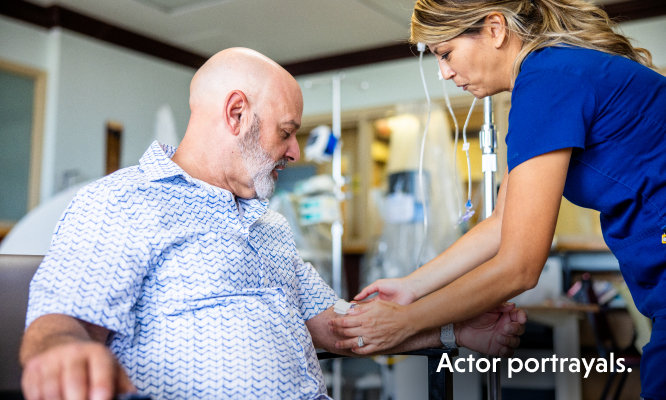
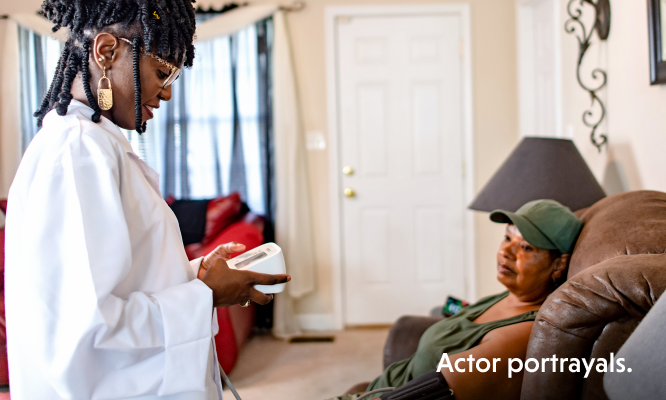
CAR T therapy may be administered in either an inpatient or outpatient setting. Your care team will determine the most appropriate setting based on the specific clinical trial and your individual needs.

Financial and travel support offered
We understand that participating in a clinical trial can involve additional travel, planning, and expenses for both patients and care partners. To help reduce some of these challenges, Kite clinical trials may offer support services and reimbursement for certain trial-related expenses for eligible participants and care partners.
Types of support







Program limits, rules, and eligibility can vary based on your specific clinical trial and geographic location. Your dedicated trial coordinator will walk you through these options during your screening.

How to participate in a Kite clinical trial
Patients cannot enroll in these clinical trials directly. You must be referred to a participating trial center by your primary oncologist or hematologist. If you are interested in exploring a Kite clinical trial, ask your doctor if a Kite clinical trial is right for you.
Connecting with resources and communities
We believe that care extends beyond clinical trials, which is why we collaborate with leading national and global organizations focused on blood cancer education, research, and patient support. These groups provide trusted information, community resources, peer-to-peer connections, and financial programs designed to support patients and care partners throughout every stage of their journey.















These organizations are independent of Kite. Their inclusion does not imply endorsement of any Kite product or service.